
REVEAL™
for Caving
4D monitoring of the cave back, muck pile, air gap, and surrounding rock to support operational performance and safety.
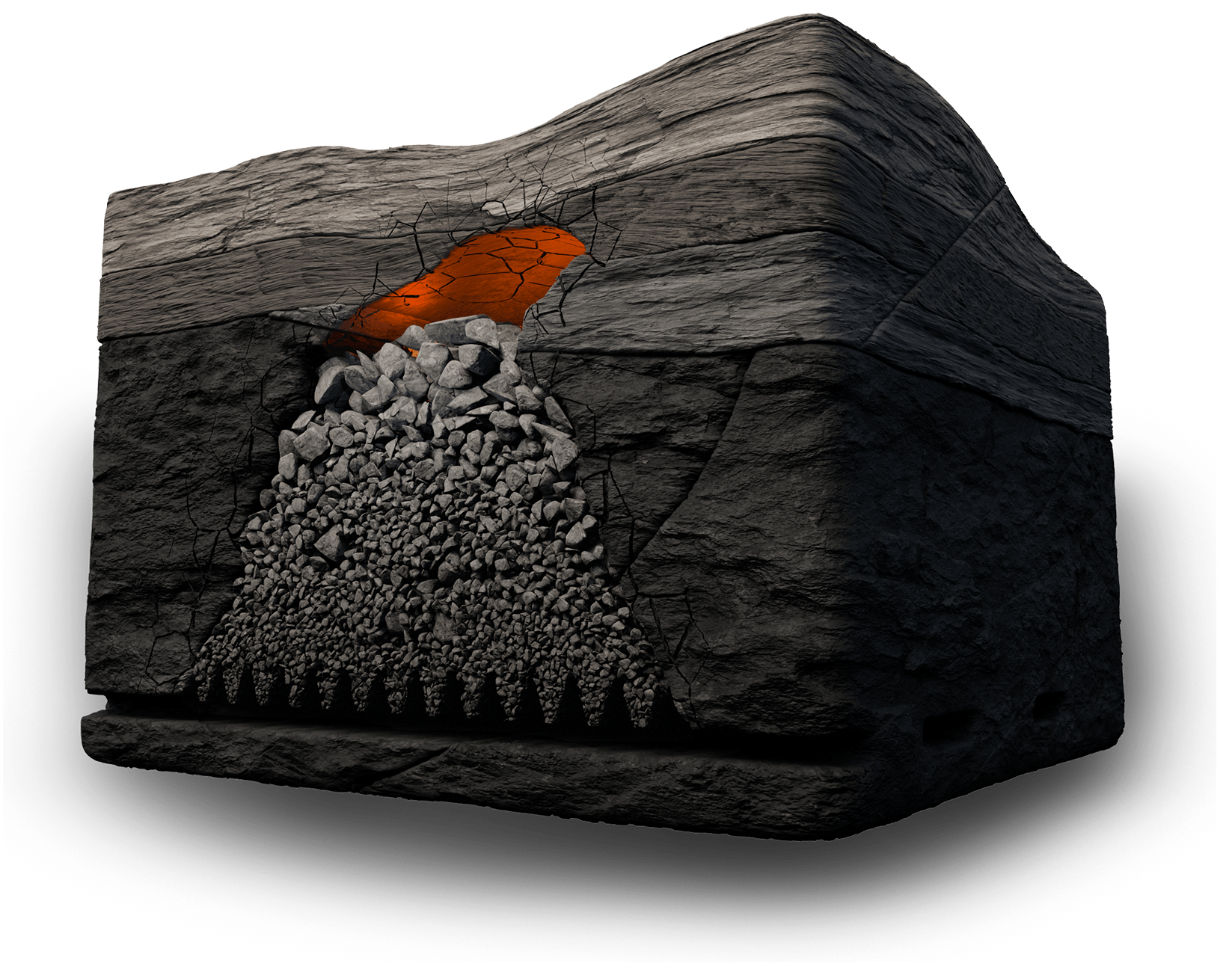

Understand full cave behaviour to inform cave management strategy with increased confidence.

Identify early indicators of geotechnical instability, proactively mitigating risks to safety.

Dynamically manage draw control to maintain cave balance and production forecasting.
Create visibility. Drive productivity. Safer.
Upcoming workshop
August 14, 2026 / Ulaanbaatar, Mongolia
Unprecedented Subsurface Visibility for Safer, Smarter Cave Mining Using Muon Tomography
Register now

Gain an unmatched understanding of the full cave environment, unlocking economic value across your operations, safely.
Cave back confidence
Muck pile intelligence
Air gap identification
“We’re getting actionable data that directly informs our cave management and life-of-mine plans. We’re no longer debating the cave’s shape and location, if it’s a conservative or optimistic projection, and if we could be wrong.
Having a complete cave shape that we have confidence in takes us a big step forward towards our forecasting expectations.”
“Northparkes experienced an air blast in 1999. We can’t change history, but we can embrace technology lik Ideon’s to prevent repeats of the past.
Knowing the cave back locaiton, the muck pile, the height and volume of the air gap, and the rate of cave propagation is critical information to inform strong safety standards.”

A remote, high-resolution monitoring solution reducing geotechnical uncertainty across the full cave environment.
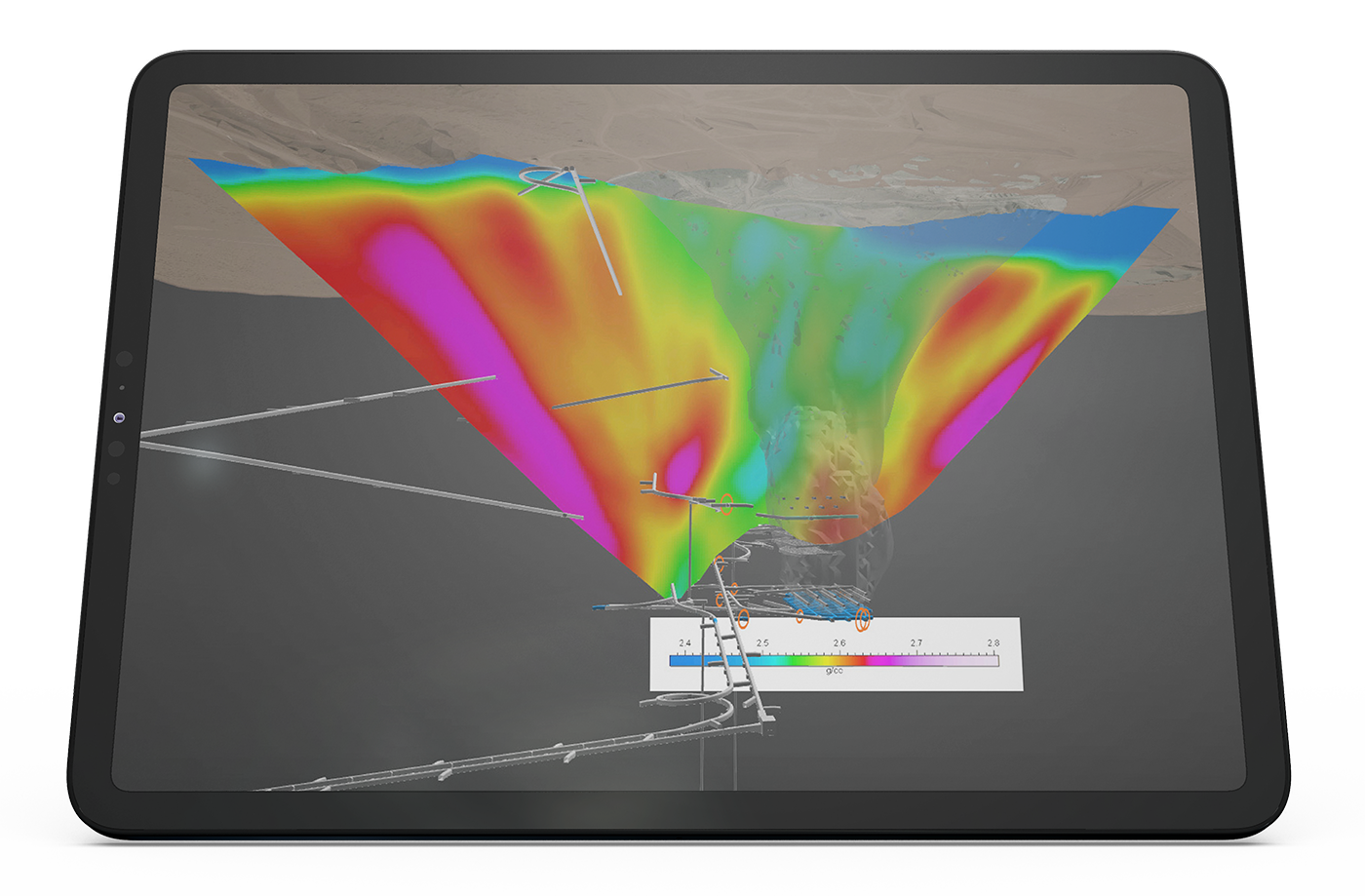
Ideon REVEAL™ for Caving is a 4D cave monitoring solution delivering full imaging of the cave back, muck pile, and air gaps on a regular cadence. It comprises proprietary hardware (that delivers a new-to-the-world data source) ruggedized for the most demanding of noisy in-mine environments, software, integrated imaging systems, and advanced data analysis and interpretation.
We also offer patented multi-sensor fusion capabilities enable seamless data collection and integration from our proprietary sensors and third-party data. AI-powered workflow transforms the geological model into a high-resolution dynamic Earth model to inform ongoing cave operations.
Reduce drilling by 80%
Image the caving environment with Ideon muon detectors positioned in-mine, under or around the caving zone.
Reduce geotechnical risk by 90%
Remotely monitor how the cave is progressing, and how it impacts the surrounding rock volume.
Unlock millions in value
High-resolution 4D imaging enables agile, tactical decision-making across operations and risk management, getting product to market faster and safely.
See how Evolution Mining is leveraging REVEAL™ for Caving
High-resolution imaging of the cave back, muck pile, and adjacent geological structures, with monthly monitoring updates.
